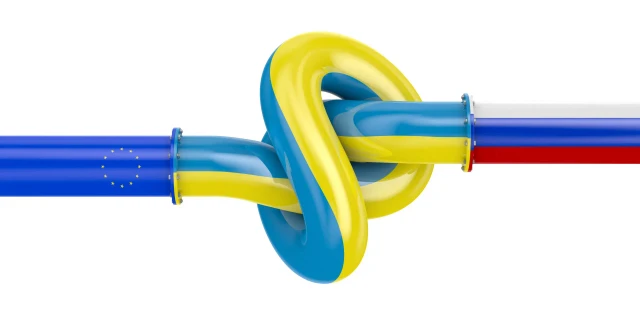
The cases of Ceuta, the 2015 crisis, Belarus, and Turkey are manifestations of a broader transformation in the relationship between migration and sovereignty.
The most generous interpretation of Charli XCX’s career is that she is a talented pop craftsman who has successfully navigated the transition from cult figure to mainstream star.
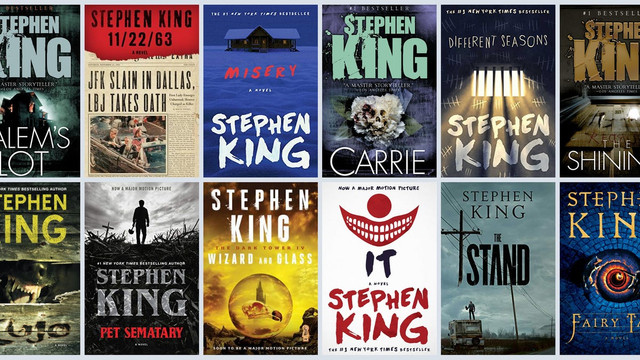
The question of antisemitism in Stephen King’s fiction resists simple resolution. His work condemns prejudice while sometimes reproducing its patterns.
For public broadcasting standards, it represents a departure from the principles of impartiality and balance expected of European public service media.
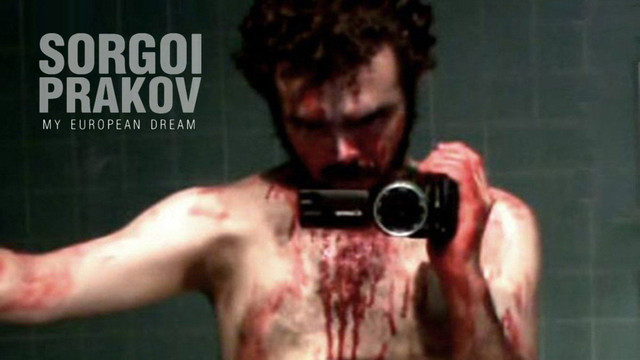
This article develops a philosophical analysis of three extreme subgenres within horror cinema by interrogating the ontological status of the body and the aesthetics of disgust.
The episode of Russian recruitment of Palestinian fighters from Lebanese camps in early 2023, while modest in raw numbers, distills a dangerous nexus of imperialism and exploitation.
29 Needles offers no comfort and no condemnation. It offers only this: the image of a body pushed to its limits and beyond, and the question—unanswered, unanswerable—of why.
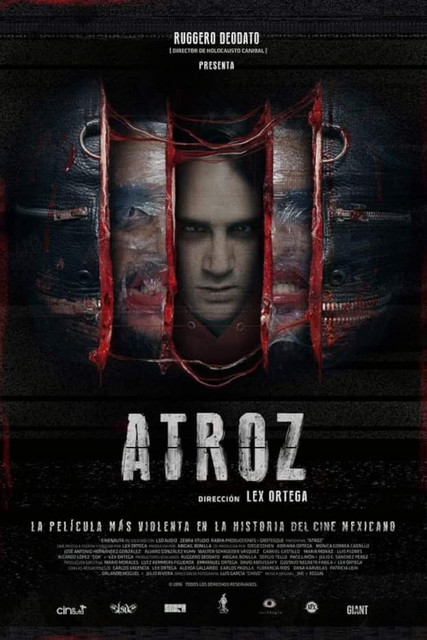
Atroz is a film that cannot be unseen. It is also a film that, for many, should not be seen. But as a philosophical text, it offers a unique and harrowing ontology of homophobia.
The demonization of ICE and Ukrainian TCC reflects genuine domestic tensions but is systematically amplified by Russian, Chinese, and Qatari actors pursuing convergent interests.
Until the European theatre dares to be vulnerable again—to risk sentiment, to risk narrative, to risk being wrong—it will remain trapped in its glass bead game.
Through his transgressive lens, Philippine cinema becomes a universal mirror, compelling us to confront what it means to exist—and to persist—in the face of the void.