on the queerness of the dead (necromeditation)
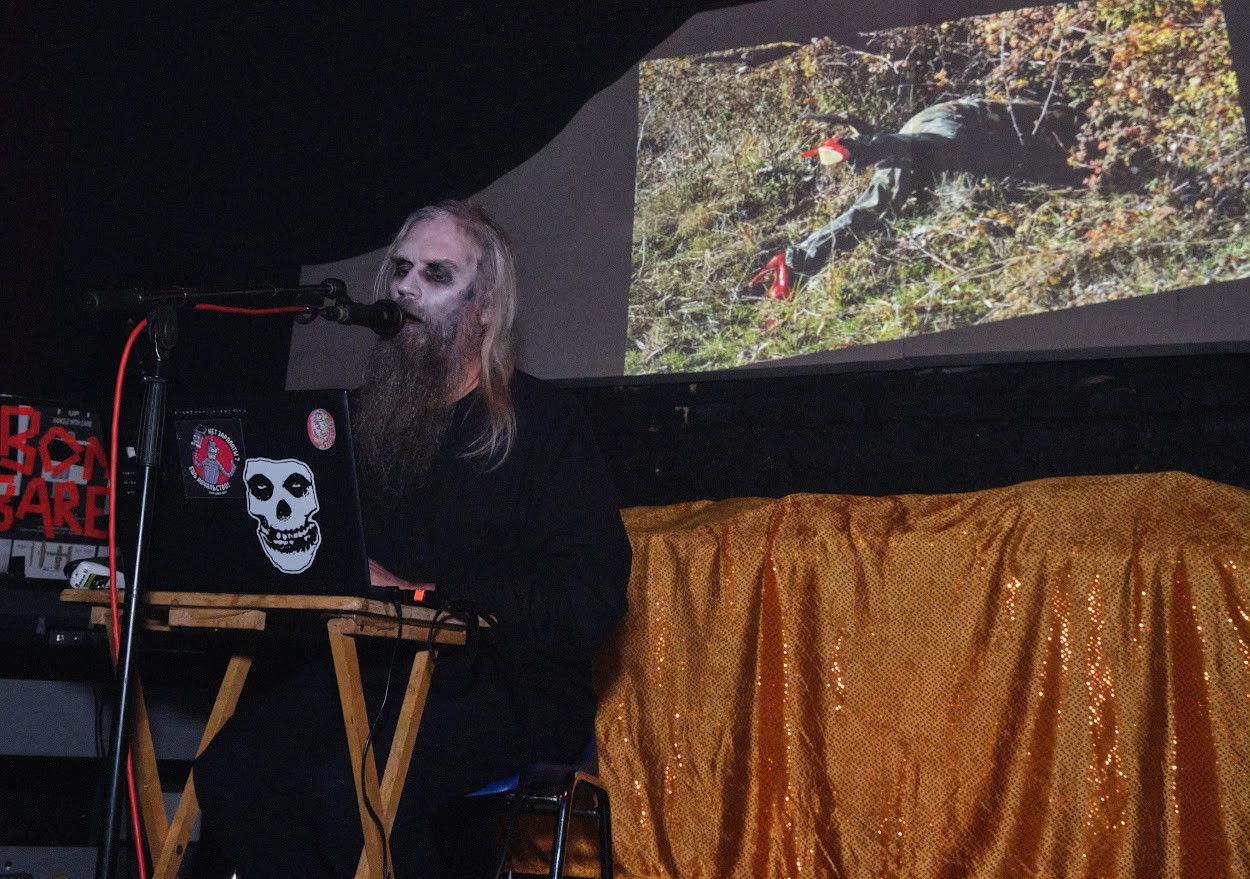
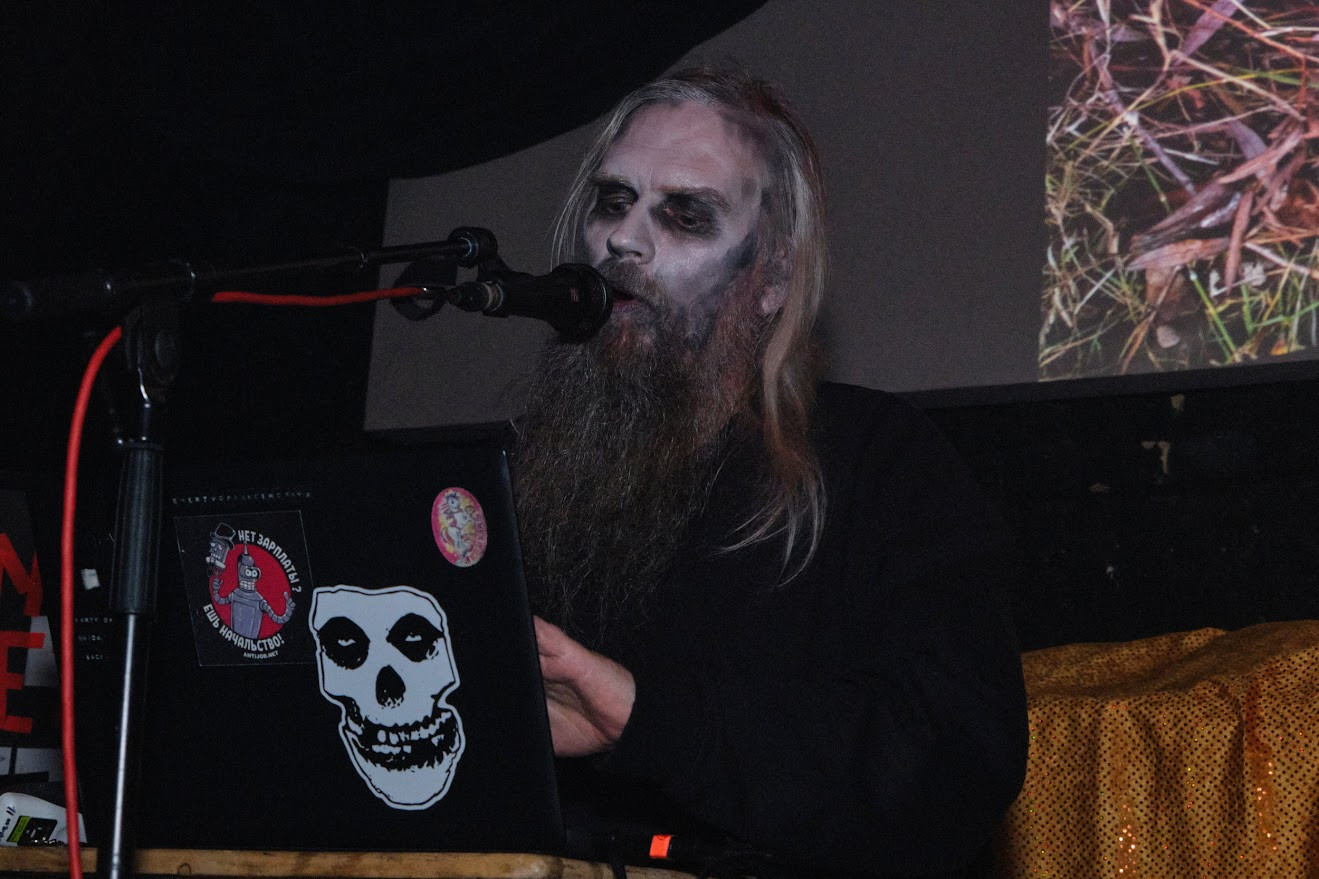
6 декабря 2025 на мероприятии под названием “the queer takeover” в берлине в поддержку российских дезертиров и лгбтк-сообщества в рф мы (как «партия мёртвых») провели короткую, 10-минутную некромедитацию (перформанс, основанный на техниках «направляемой медитации» — её политически ангажированная и поэтически нагруженная версия). наш номер открывал программу мероприятия, структурированного как кабаре. мы публикуем текст, послуживший основу для медитации — модифицированную английскую версию текста «о квирности мёртвых», созданную совместно с легионами небинарной россии.
//
on december 6, 2025, at “the queer takeover” soli party in berlin in support of russian deserters and the lgbtq community in russia we (as “the party of the dead”) delivered a short, 10-minute necromeditation (a performance based on the techniques of guided meditation — a politically engaged and poetically charged version of it). our number opened the program of the event that was structured as a cabaret. we publish the text that served as the basis for the meditation—a modified english version of the text "on the queerness of the dead" created in collaboration with legions nonbynaryrussia.
the queer take over
the dead take over
the dead take over the living
does gender persist among the deceased?
does gender persist?
does gender die with them?
does gender die?
does gender die in them?
does gender die with them?
does gender die without them?
does gender persist among the deceased?
does gender die?
who are the deceased themselves?
who are the deceased?
are they women?
are they men?
are they others?
other than themselves?
are they?
are they other?
are they otherwise?
otherwise than being?
does gender persist among the deceased?
or does gender die among them?
who are they?
who are them?
are they who they once were?
are they who they were?
are they who they are?
are they other?
are they others?
are they otherwise?
do they remain children?
do they remain parents?
do they remain children, parents?
children, parents?
do they remain?
does the very order of inclusion within kinship become displaced with death? does the very order of inclusion become displaced with death?
does the very order of exclusion become displaced?
does the very order become displaced with death?
the dead not only lack wholeness and unity,
but singular pronouns are also hardly applicable to them
for any number of deceased bodies (including one),
let alone ghosts,
the most suitable pronoun is 'they'
(perhaps the most pronominally inclusive of all pronouns)
the dead not only lack wholeness and unity,
but singular pronouns are also hardly applicable to them
they not only lack wholeness and unity
they not only lack
let alone ghosts
they are many
for we are many
they are many
even if they are not
they are many
we are many
even if we are not
hence, through the lens of decay, dust, and ghostly movement,
we can also reason about the queerness of the dead
through the lens of decay, dust, and ghostly movement
yet, partly apophatically, negatively
in this light, one can speak of the queerness that embraces all earth,
the queerness that intermingles bodies
in fraternal (sororal?) graves and mass graves
in this light
one can speak
another
the queerness embraces all earth
the queerness embraces all the earth
the queerness embraces
and intermingles
the queerness of interminglement of bodies
in mass graves
fraternal graves
sororal graves
the queerness of the earth
dead have undergone
(and perhaps continue to undergo)
the most radical of transitions
can this transition be straight,
or does any trajectory of this movement
inevitably bend towards nowhere?
death is queer
the dead are queer
can this transition be straight?
death is queer
the dead are queer
death is queer
the dead are queer